Cabanon:
The Body as Argument
Lili Dujourie and Marina Abramović
The second exhibition in Cabanon brings together two works that both take the body as their starting point, but do so in very different ways. Lili Dujourie and Marina Abramović belong to the generation of artists who, in the seventies and eighties, used the body as an artistic and political instrument, at a time when the art world was still predominantly dominated by men. The works shown here date from the nineties and offer two very different answers to what can the body say that words cannot.
Lili Dujourie (°1941, Roeselare) began in the seventies with a series of black and white photographs and videos now considered pioneering feminist works. By being both subject and object of her own images, she challenged the male gaze and took control of her own representation. The triptych Oostende (1977-1998) on view here reverses that dynamic in an interesting way: it is not the female body that takes centre stage, but a nude male portrait. Dujourie places that body theatrically within the intimate domestic setting of her Ostend apartment, a universal scene of a wooden floor and a white curtain, heightening the tension between presence and absence, between showing and concealing. The gaze she herself endured for years, she turns around.
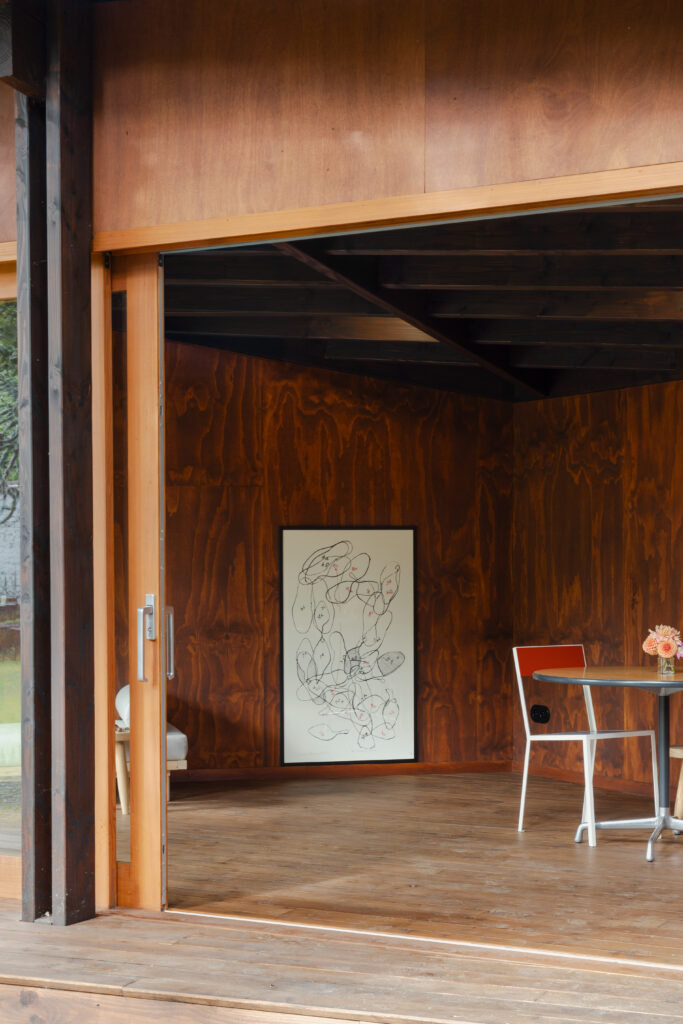
Marina Abramović (°1946, Belgrade) is one of the most influential performance artists of the twentieth century. The Urgent Dance was created in 1996 as a performance at the opening of her exhibition at the Ghent Museum of Contemporary Art, in collaboration with the then museum director Jan Hoet. To the sound of traditional tango music, Abramović and Hoet do not so much dance as enact tableaux vivants, striking somewhat dramatic poses within a golden frame. These embody not only the tension between two bodies, but also between two roles and two forms of authority. By drawing Hoet, one of the most powerful figures in the art world of his time, into the work itself, Abramović made institutional power part of the medium. After the performance, the audience was invited to join the dance, definitively dismantling the strict hierarchy between artist, institution and viewer. The silkscreen print on view here was made that same year as a document of this fleeting performance.
For both artists, the answer to the question of what the body can say that words cannot is the same: the body is a political instrument, direct and inescapable. Dujourie reverses the gaze by placing a nude male body in the position of the one being looked at. Abramović pulls institutional power into the work by literally placing the museum director inside the frame. In both cases, control shifts, and it does so without a single word being spoken.
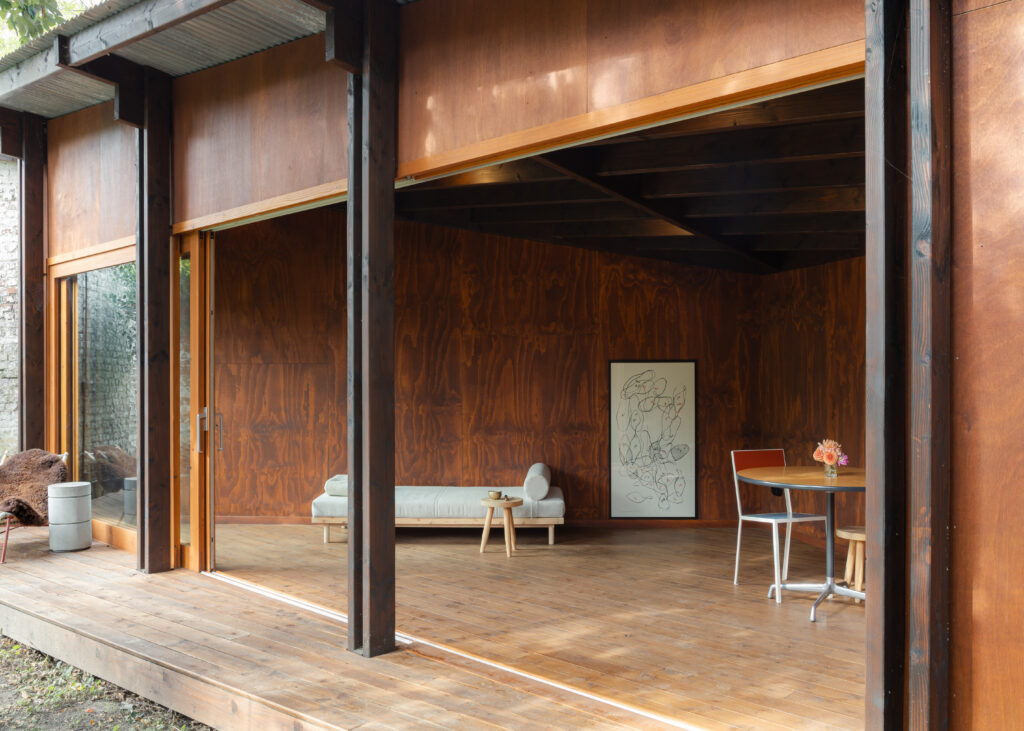
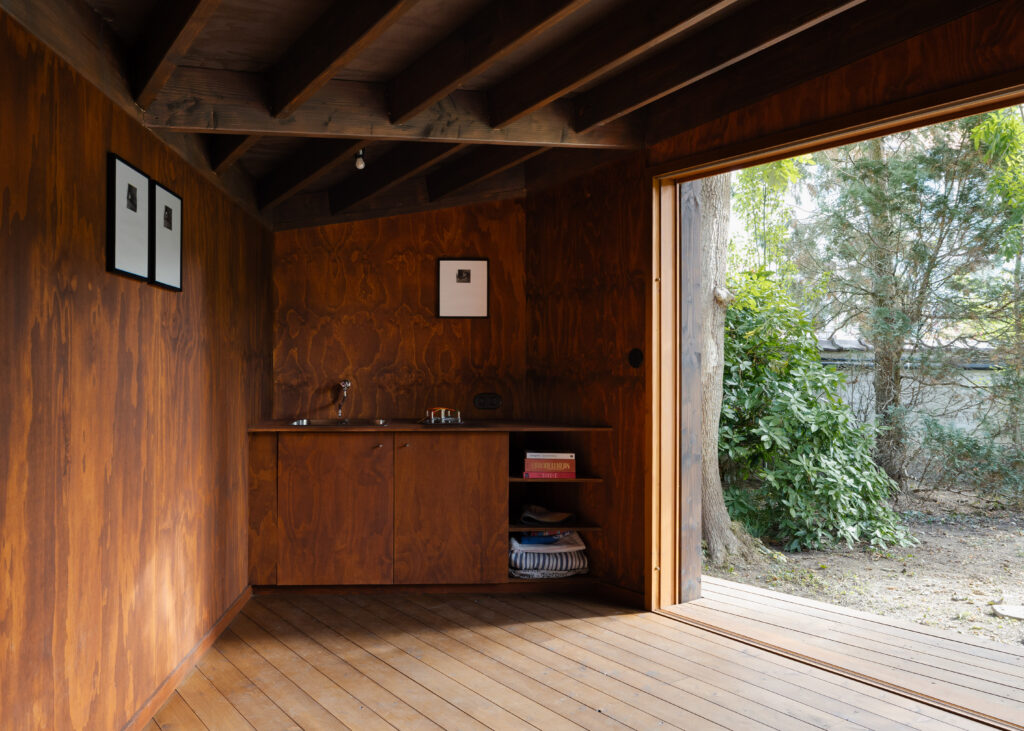
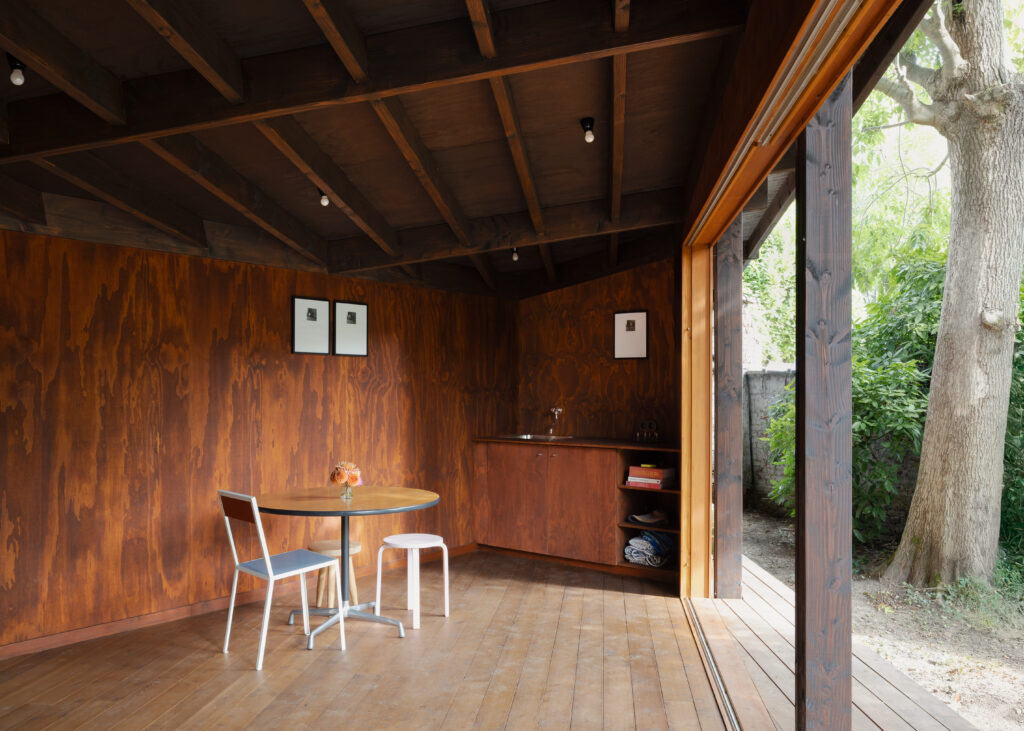
Cabanon is the opposite of our public projects: it’s a quiet, intimate event. Tucked away at the back of a garden in Brussels, a small wooden shed becomes the setting for occasional exhibitions. For each event, we choose a particular artist or theme. Cabanon can be visited by appointment only.